Modern car design becomes much easier to read when the vehicle is treated like an infographic. Instead of judging a car only by taste, look at the structure: stance, surface tension, lighting, cabin layout, and how the details guide your eye.
The best modern designs are not always the loudest. They usually combine strong proportions with fewer distractions.
Proportions Create the First Impression
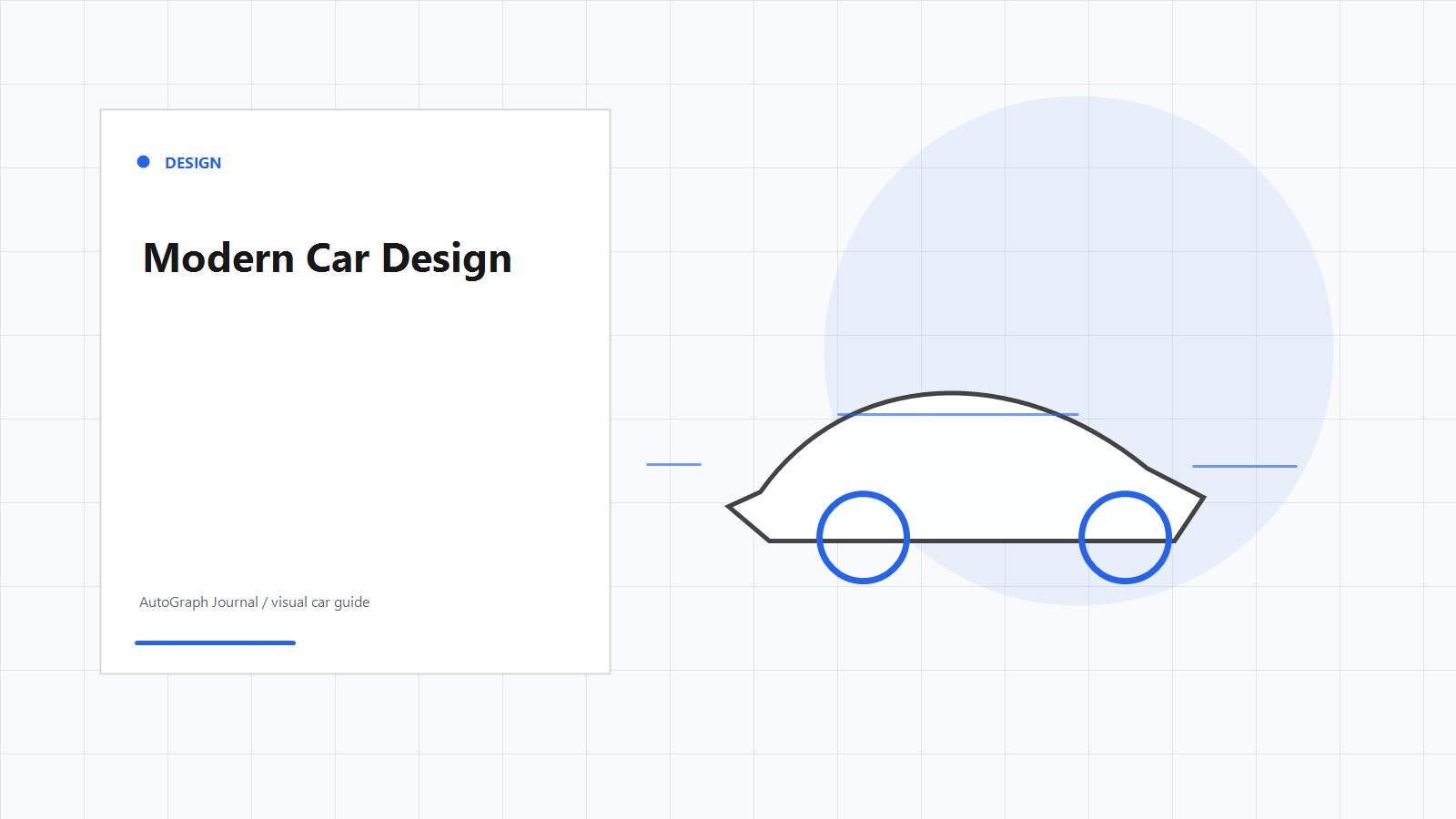
Start with the side profile. Wheelbase, overhangs, roofline, and wheel size decide whether a car feels planted, practical, sporty, or awkward.
A premium design often has a confident stance: the wheels sit visually close to the corners, the body looks stable, and the glasshouse feels balanced against the metal surfaces.
Lighting Has Become the Signature
Headlights and taillights now act like a brand signature. Thin light bars, precise daytime running lights, and clean rear graphics can make a car recognizable even before the badge is visible.
Good lighting design also supports usability. Clear illumination, strong turn signals, and predictable brake-light placement matter more than dramatic shapes.
Interiors Are Information Systems
Modern cabins are no longer just seats and switches. They are information layouts. The best interiors separate driving data, comfort controls, navigation, and media so the driver does not have to search while moving.
When the cabin feels calm, it is usually because the hierarchy is clear.
Materials Should Reduce Noise
Texture, color, and trim matter most when they support the shape of the interior. Soft-touch panels, restrained metal accents, and durable fabrics can feel more premium than glossy surfaces that collect glare and fingerprints.
The strongest design choice is often restraint.